What to do with zuta levana, a.k.a. white savory

I'm off to the United States for the rest of the month, so what better time to write about an herb that grows primarily in the Galilee?
I had my first real run-in with zuta levana (×–×•×˜× ×œ×‘× ×”) at the Tel Aviv port farmer's market. Sure, I'd noticed it in plant nurseries before, but I never considered buying it, since it was described as just another herb for making tea.
In any case, the guys from Carmel Yevulim pretty much forced a bunch of herbs on me -- it was the end of the day, and they were trying to clear out. So I took it home. Then, the question became what to do with it.
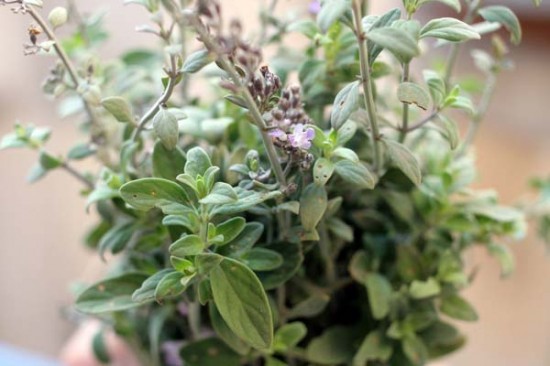
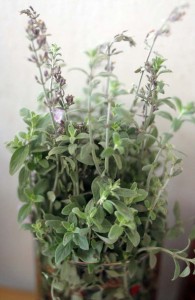
But first, a little about the plant itself: Zuta levana, or white savory, is a small shrub that grows wild in Israel, particularly in the Galilee. It has a pale, slivery color, and its small leaves have a fuzzy texture. The Israeli Environmental Protection Ministry states that the tea is good for easing stomach pains and sore throats. And a warning: Its oil contains pulegone, which is considered dangerous for pregnant women.
And a little confession: I didn't know anything about this plant was at first, so I tried looking it up online -- and didn't find anything in Wikipedia. So after a bit of research, I wrote the entry myself.
 TEA
TEA
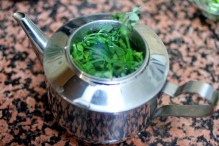
The most obvious solution -- since this is what most people do with it. The herb is fragrant, and as a member of the mint family, it has a menthol essence -- its smell kind of reminds me of Ben-Gay, but in a good way. And it makes a fabulous tea, with a strong blast of menthol, and the taste of what a friend thought was sage.
 CHOPPED IN SALADS
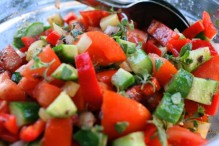
I tossed some leaves into a chopped salad, in place of mint or parsley, and added some black olive tapenade as well. Both have quite prominent flavors, and make an interesting combination, giving salads a taste you don't expect. (This salad also included tomatoes, cucumbers, red peppers, onion and carrot).
 FRIED OVER COOKED FOODS
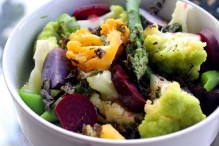
The herb is also quite nice as a flavoring for cooked foods. I got good results by frying leaves until crunchy in a bit of olive oil, and sprinkling over vegetables for flavor (See my last post: Crayon-box vegetables).
 MIXED WITH OLIVE OIL
Try mixing a few leaves with olive oil and salt, and using to dip bread.
SEASONING FOR FISH
While I didn't try this at home, since I don't really cook that much fish, I suspect that it would also be quite good topping a salmon or musht, along with some lemon.