Cafe Liz
Kosher vegetarian recipes from my kitchen in Tel Aviv
Greens of the season: What’s in your yard, what’s in the market — and what’s off-limits
February 24, 2010 at 12:00 am | Tags: Arab, beet, chicory, cyclamen, Israeli, mallow, mustard, parve, rice, sorrel, stuffed, tumbleweed, vegan, zaatar
The winter rains bring with them an explosion of green growth, much of which filters its way into our markets -- well, some of them, at least. For whatever reason -- wealth? -- many of the wild greens do not play a role in most people's diets. And it's a pity, because native plants are an excellent way to embrace the land, eating local at its best.
However, you can still find them. A few of them may be in your yard, or growing alongside parking lots, or next to roads. Well, any of them could be there -- these are wild plants, after all. But you can save yourself the trouble (and potential danger) of identifying them yourself by buying them after someone else did the foraging -- Arab and interracial locales, as well as less well-off places, are a good bet for this.
There's a potential catch, though. Some plants that have been part of the culinary tradition for hundreds of years are now protected by law due to overpicking, but they're still being sold in the markets. Most likely it's a matter of ignorance. However, there's a reason they're protected -- they've become endangered by the harvesting habits, which in many cases prevent them from reproducing.
Here's a list of what's what -- the plants I've identified around my house (mallow, sorrel, nettle), the delights in various markets (wild beet, chicory, mustard, and Jerusalem sage) a few that were there but shouldn't be (cyclamen, tumbleweed). Last but not least -- some simple recipes that highlight the vibrant freshness of the season.
But before we begin, a warning: If you're not 100 percent sure you know what you're picking, don't eat it. People have died over misidentifications. At the very least, this guide will give you the satisfaction of knowing what's in your yard. Knowing how to identify the urban flora makes your environment a little bit more familiar -- especially when you see your friend the mallow bush peeking out at every opportunity.
Now, let's go. Continue reading Greens of the season: What’s in your yard, what’s in the market — and what’s off-limits...
Pasta sauce with mallow and sheep cheese
January 17, 2010 at 1:00 pm | Tags: Arab, beet, cheese, greens, Israeli, jibneh, mallow, pasta, sauce, sheep cheese
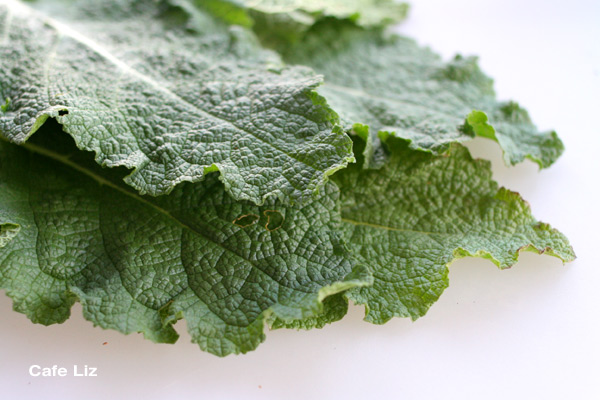
It doesn't sound like the most unusual dish -- tomato sauce with greens and cheese, pretty standard, right? Well, it is and it isn't. My greens happened to be mallow and wild beet, and my cheese was a traditional Arab sheep cheese known as "jibneh," which, quite creatively, means "cheese" in Arabic. Ingredients you wouldn't usually find in pasta sauce, yet it's the basic mix of greens and cheese. It works.
Wild beet and mallow are among the many wild greens that happen to be in season right now. They can be found in abundance in parks, Arab markets and possibly even your yard. Mallow is called halamit in Hebrew, but is known more popularly by its Arabic name, hubezah. The mallow plant gave its name to the marshmallow, and also the color mauve -- mauve is the French name for the plant, whose flowers happen to be, well, mauve. Continue reading Pasta sauce with mallow and sheep cheese...
A culinary spin through Wadi Nisnas
January 10, 2010 at 12:00 am | Tags: Arab, haifa, Israeli, restaurant, Wadi Nisnas
Wadi Nisnas is more than a small Christian Arab neighborhood in the northern coastal city of Haifa -- it's a place full of culinary wonders. When I lived in Haifa seven years ago, I would make regular pilgrimages to Conditory Oriental for knafeh, a pastry of oozy goat cheese topped with crispy, bright orange noodles and rosewater syrup. Once, when I was at one of the neighborhood's most famous falafel shops, a Knesset member parked his car in the middle of the one-lane street in order to buy hummus. Honking ensued.
The tiny neighborhood, whose name means "mongoose valley" in Arabic, is home to many churches and a great deal of public art, and is the site of Haifa's annual winter Holiday of Holidays festival, a celebration of Hannukah, Christmas and Ramadan. During the rest of the year, however, the neighborhood is still a pleasant place for a stroll, especially for the hungry.
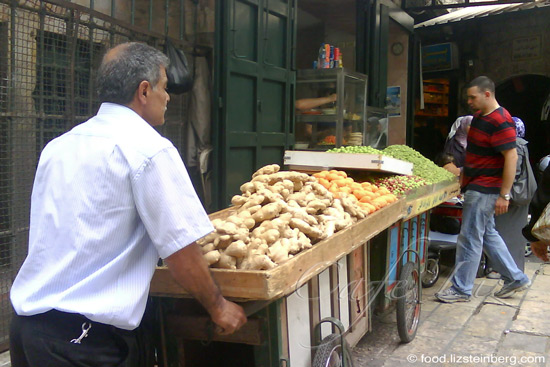
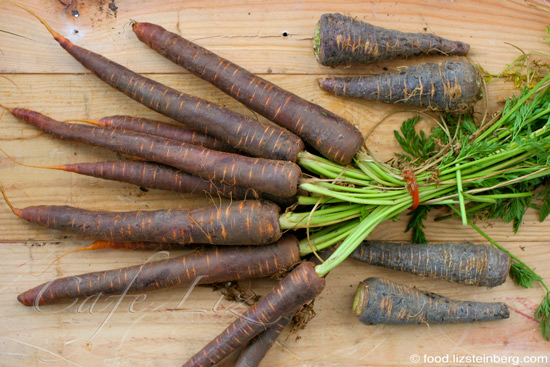
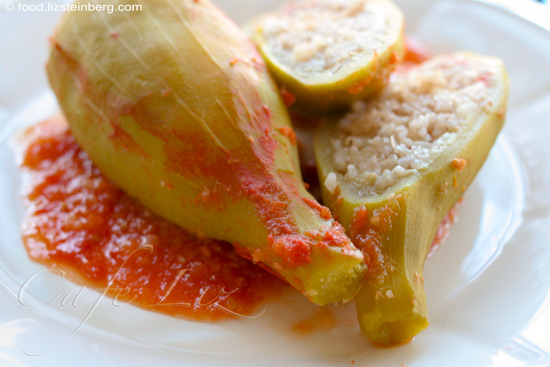
In the neighborhood's central market, you won't find purple carrots and the other gourmet oddities that appear in the markets of Tel Aviv. You will find all sorts of indigenous greens that feature in Arab cooking, including hubeizeh (mallow), olesh (chicory), mustard stems (apparently, you pickle them), green beet leaves, 10-centimeter-tall lentil sprouts and bags of cyclamen leaves for stuffing. Who knew you can eat cyclamen? Continue reading A culinary spin through Wadi Nisnas...
All content and photos copyright 2008-2010, Liz Steinberg. All rights reserved. Please seek permission before republishing.
Powered by WordPress with theme based on Pool design by Borja Fernandez.
Entries and comments feeds.
Valid XHTML and CSS. ^Top^
Check out my photo archives to find recipes based on the photos.